
Fleet Electrification
Faith Energy designs and builds fleet charging infrastructure around the operating day: vehicle duty cycles, dwell windows, state of charge targets, depot capacity, utility timing, charger uptime, and the handoff your team needs after go-live.
Operating Benchmark
That standard changes the work. Charger count is only one variable. Route miles, return time, reserve range, battery size, parking assignment, driver behavior, telematics data, maintenance access, and the utility path all have to agree before the site can operate reliably.
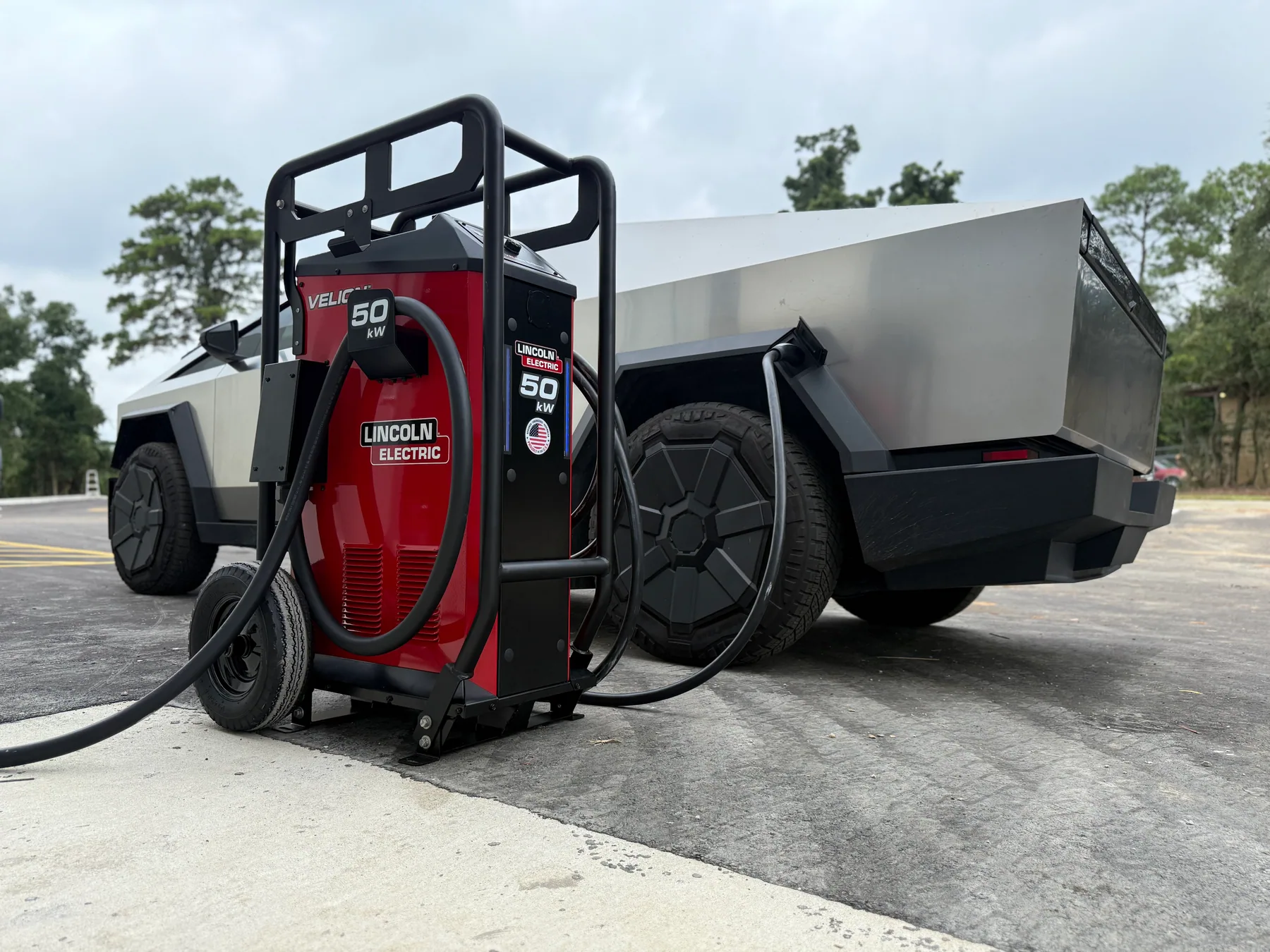
Field Delivery
Route and duty-cycle data can show which vehicles are suitable for electrification, where range confidence is strong, and when charging can happen. Faith Energy turns that operating logic into the physical path: service capacity, transformer or meter needs, panels, conduit, trenching, charger placement, network readiness, commissioning, and owner handoff.
Plan commercial EV infrastructureTelematics / Charging / Infrastructure
Modern fleet programs use telematics to understand route suitability, state of charge, departure timing, energy use, and vehicle readiness. Faith Energy turns those signals into the physical plan: service capacity, load management, charger placement, civil path, network readiness, commissioning, and the operator handoff.
Which vehicles can electrify based on route patterns, range confidence, dwell time, payload, and total cost assumptions.
Which vehicles need priority by departure time, state of charge target, route criticality, and energy cost window.
Which service upgrades, panels, conduit routes, charger families, network paths, and phased installs make that plan real.
Depot Readiness Planner
The question every depot has to answer first: can the site deliver enough managed charging inside the available dwell window without overwhelming the electrical service?
Fleet Suitability
Compare daily miles, route variance, payload, weather exposure, reserve range, and the cost of a missed dispatch.
Map when vehicles return, how long they sit, which stalls they use, and whether charging can be scheduled away from peak demand.
Set target SOC by vehicle class, route criticality, backup assignment, and the next day's work instead of charging everything blindly.
Review existing service, panel space, switchgear, transformer path, trenching, charger protection, lighting, and snowball effects from future phases.
Use managed charging, access rules, and dispatch priorities to keep vehicles ready while controlling peak load and energy cost exposure.
Plan network checks, charger status visibility, service access, spare capacity, and escalation rules before an outage affects routes.
Delivery Path
Fleet charging touches operations, facilities, finance, IT, utility coordination, and the field team. Faith Energy keeps those decisions connected from the first site walk through commissioning.
Parking, traffic flow, maintenance zones, panel rooms, conduit routes, spare capacity, communications, and charger protection.
Immediate vehicles, future growth, transformer needs, load management, demand profile, and the utility upgrade timeline.
Permitting, trenching, conduit, panels, chargers, network setup, labeling, inspections, functional testing, and closeout.
Charging schedules, access rules, alerts, driver habits, service contacts, documentation, and go-live support.
Use Cases
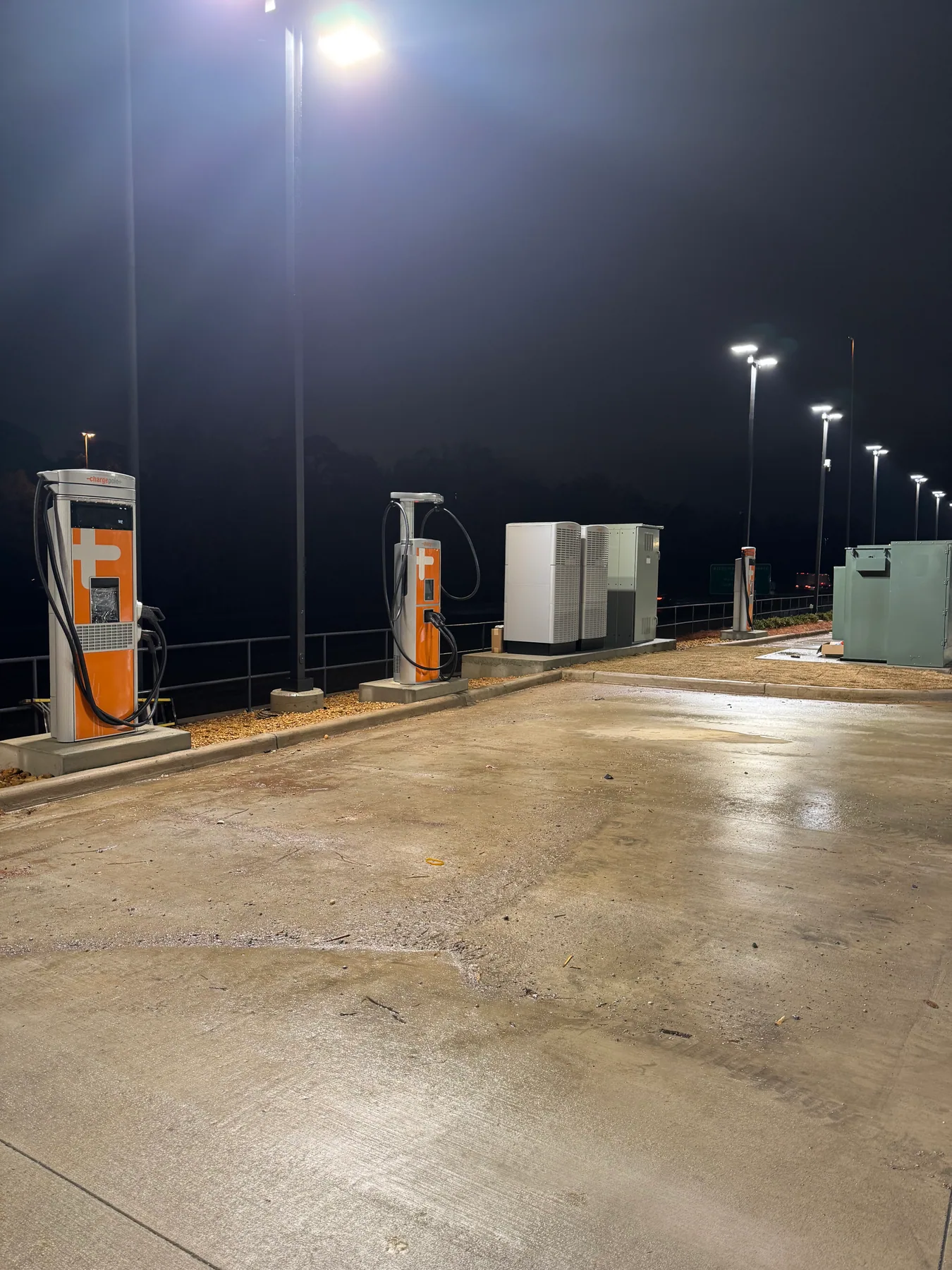
Balance customer-facing chargers, service lane needs, inventory readiness, and OEM program requirements without blocking daily operations.
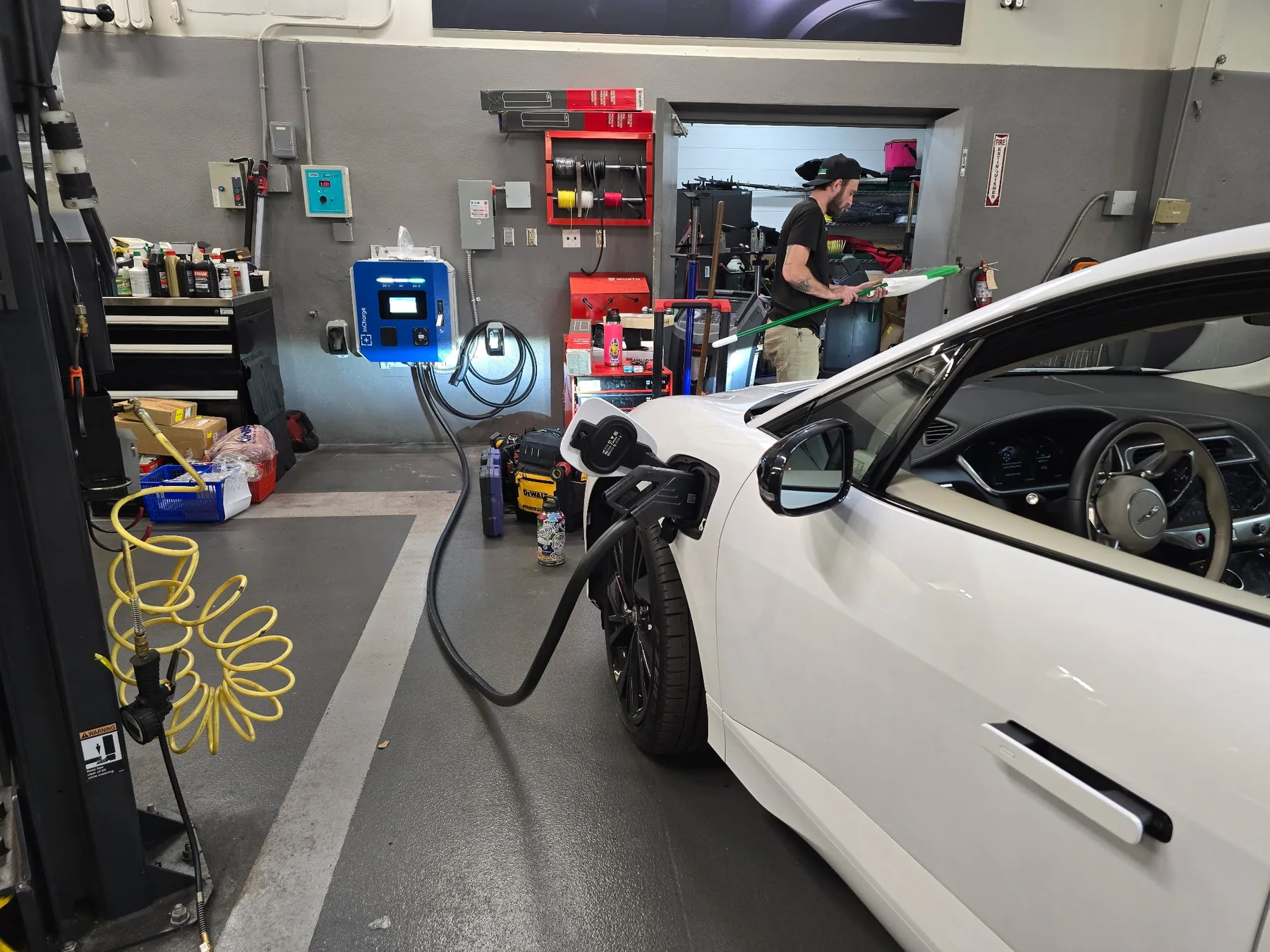
Prioritize overnight charging, assigned stalls, low-SOC exceptions, driver handoff, and uptime visibility across the depot.
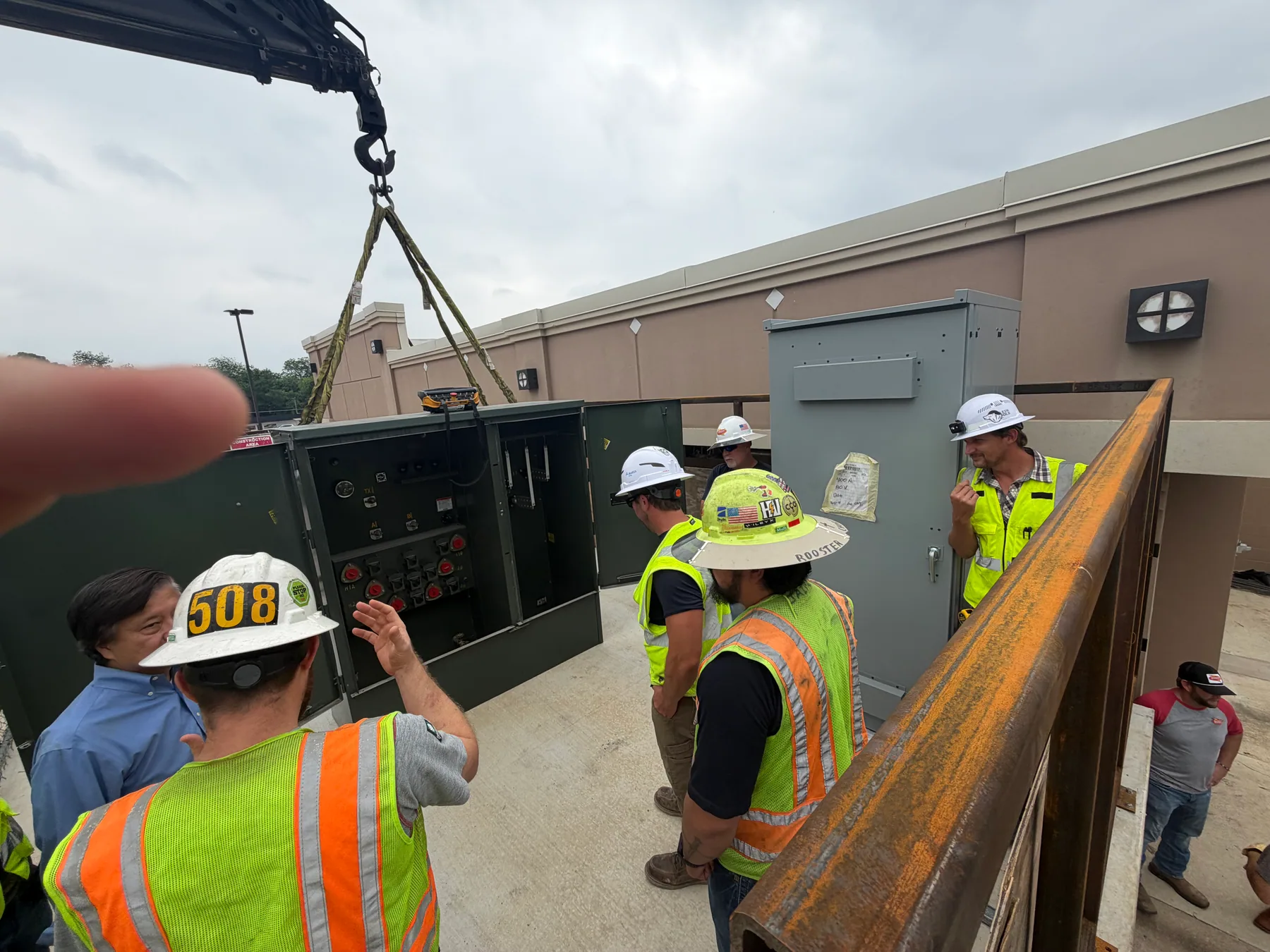
Coordinate fleet needs with public access, tenant policy, parking circulation, safety lighting, signage, and future expansion.
Fleet Site Review
A useful first review usually covers vehicle count, route miles, return times, parking layout, existing electrical gear, future fleet growth, charger preferences, uptime expectations, and utility timeline concerns.
Fleet Electrification FAQ
Fleet charging has to protect dispatch reliability. The plan should account for route miles, dwell windows, state-of-charge targets, charger uptime, load management, parking assignment, utility capacity, and operator handoff.
Telematics data is helpful because it can show route suitability, energy use, dwell windows, and exceptions. If telematics data is not available, Faith Energy can still begin with vehicle count, route assumptions, site layout, and operating schedules.
Managed charging should be considered when vehicles share limited site capacity, when demand charges matter, when departure times vary, or when the depot needs priority rules for critical routes and low-state-of-charge vehicles.