Business case and site feasibility
Define use case, industry needs, power capacity, utility path, incentives, equipment strategy, and budget risk before procurement.

National Electrical & EV Charging Infrastructure
Powered by people who believe in excellence — in-house engineers and self-performing crews, from first drawing to energized handoff.
Faith Energy
Electrical infrastructure gets expensive when planning, utility assumptions, field work, and handoff drift apart. Faith Energy keeps those decisions connected from the first review through handoff.
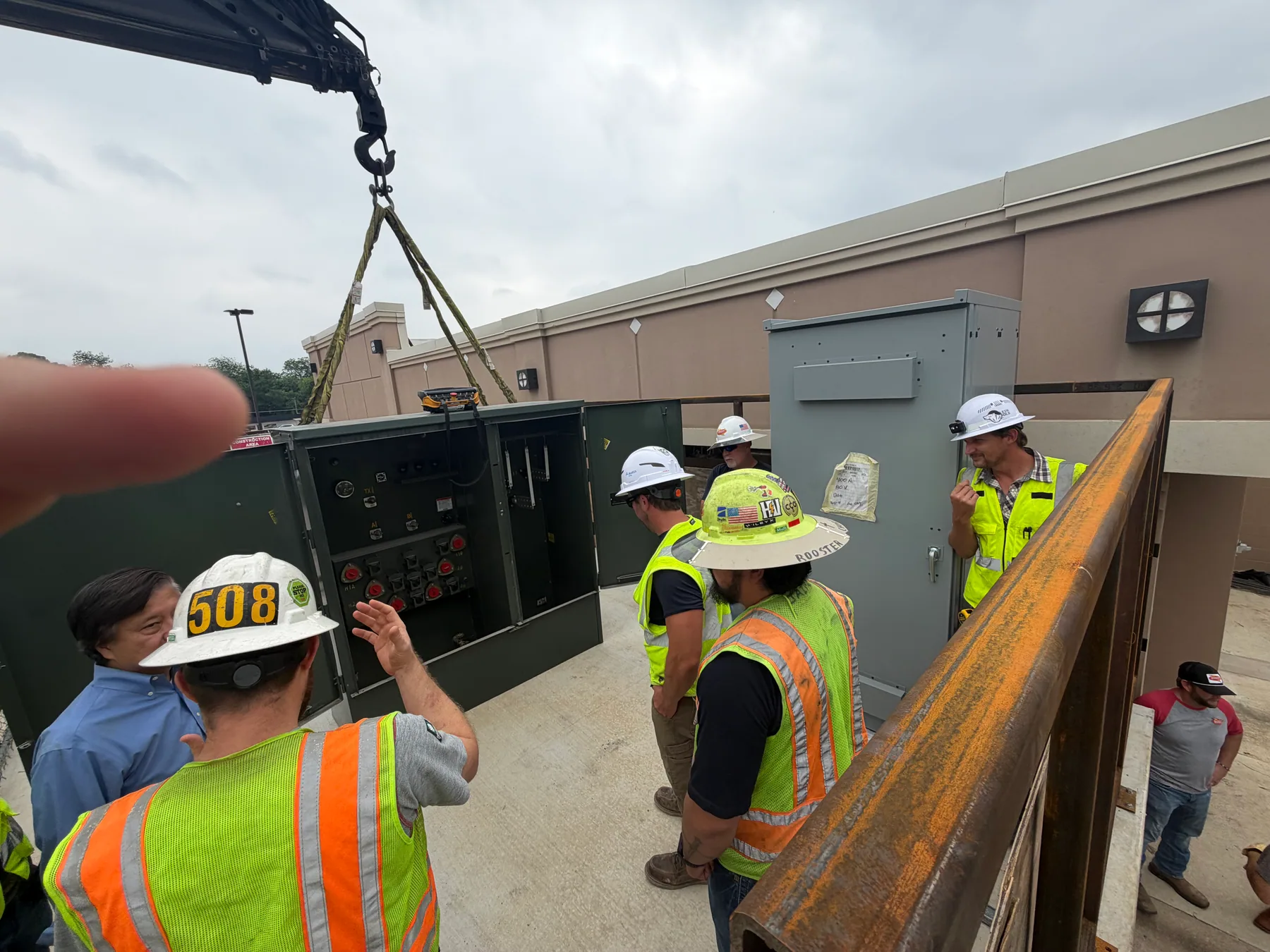
Scope, schedule, site access, existing gear, drawings, and owner goals are aligned before the plan hardens.
Plan / Build / Manage
Start with business goals and site reality, build the electrical and charging infrastructure around those constraints, then hand off a system the owner can operate with confidence.
Define use case, industry needs, power capacity, utility path, incentives, equipment strategy, and budget risk before procurement.
Coordinate drawings, gear, trenching, conduit, installation, inspections, charger setup, network readiness, and closeout.
Support charger operations with access rules, reporting, owner training, uptime checks, inspection routines, and maintenance planning.
Use commissioning notes, usage data, field issues, and operator feedback to improve the next phase or repeatable multi-site standard.
Who We Build For
Real Project Proof
The launch story should not feel Florida-only or generic. These are active proof points across automotive, retail, healthcare, hospitality, fleet, and charging environments.
Trusted On Real Sites
Project Control
This is the drawing our engineers actually work from. Choose the decision creating risk on your project — the system shows where it sits in the power path, what breaks if it stays vague, and the move we drive before work proceeds.
Main service, transformer path, panel capacity, and growth assumptions stay tied to the operating plan before drawings or equipment decisions are treated as final.
Measure the actual electrical headroom against current site operations and future charging growth.
If load assumptions are wrong, drawings, equipment, utility requests, and budget can all move at once.
Capture service data, demand assumptions, growth phase, and owner priorities before committing the path.
Delivery Path
Before equipment is ordered, confirm capacity, utility path, civil route, operating model, lead times, and inspection requirements.
Site goals, capacity, access, utility constraints, and operating requirements.
Drawings, service path, equipment strategy, permitting inputs, and phasing.
Field installation, coordination, inspections, and practical site control.
Testing, documentation, and operator handoff.
What We Do
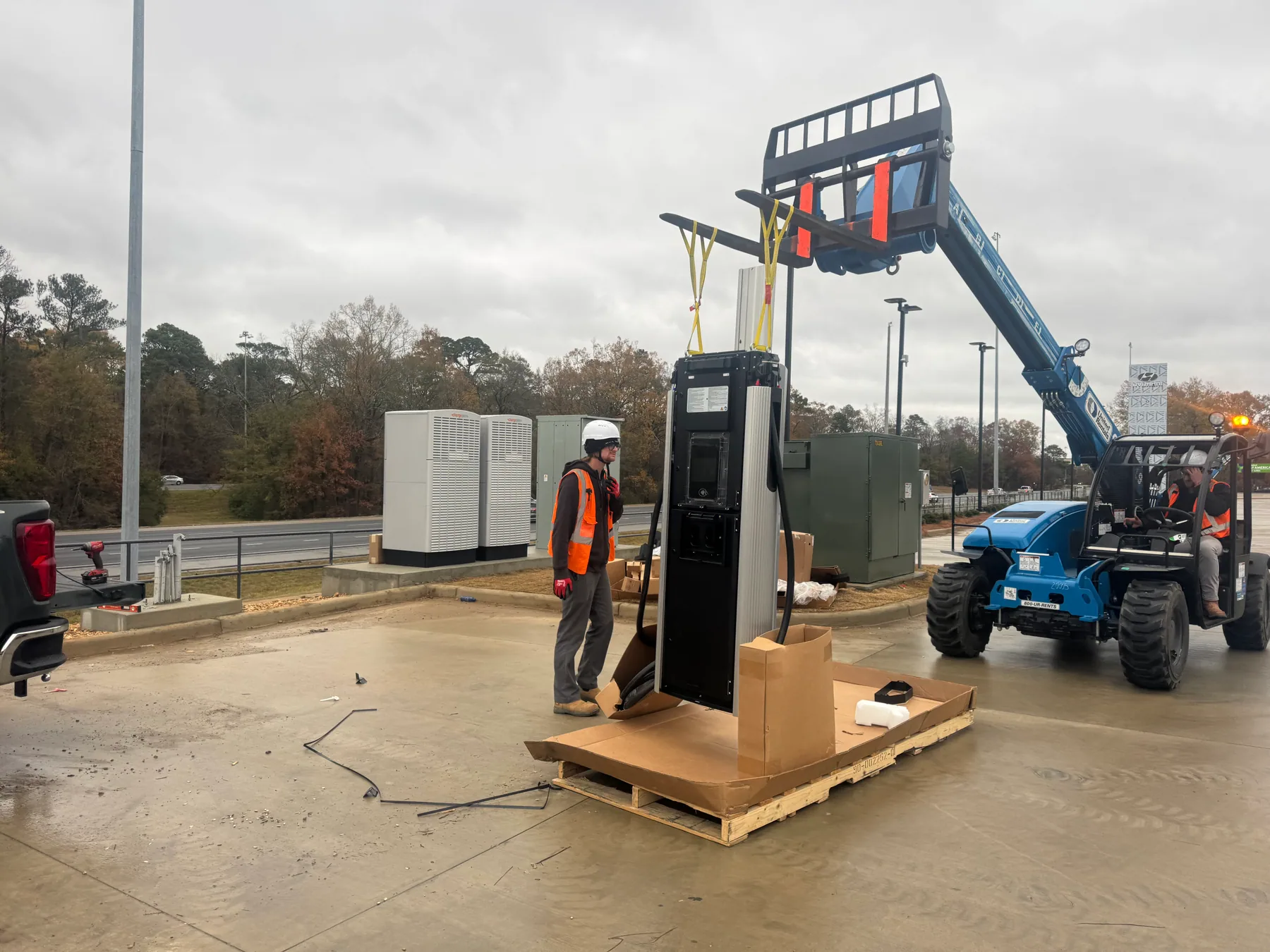
Constructability, utility path, equipment strategy, schedule, and field execution brought into the same conversation early.
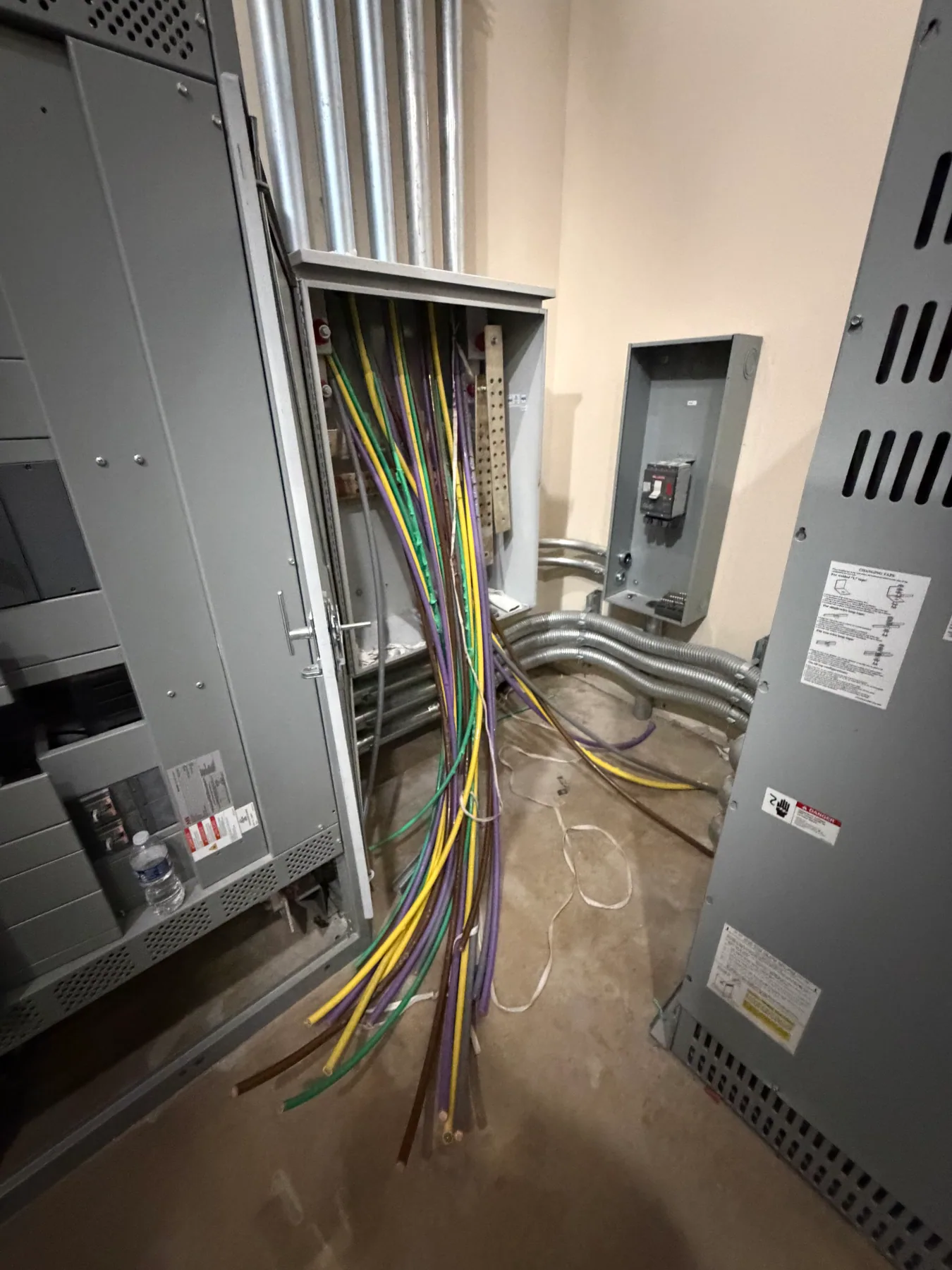
Power distribution, service upgrades, lighting, controls, life safety, tenant improvements, and site infrastructure for active facilities.
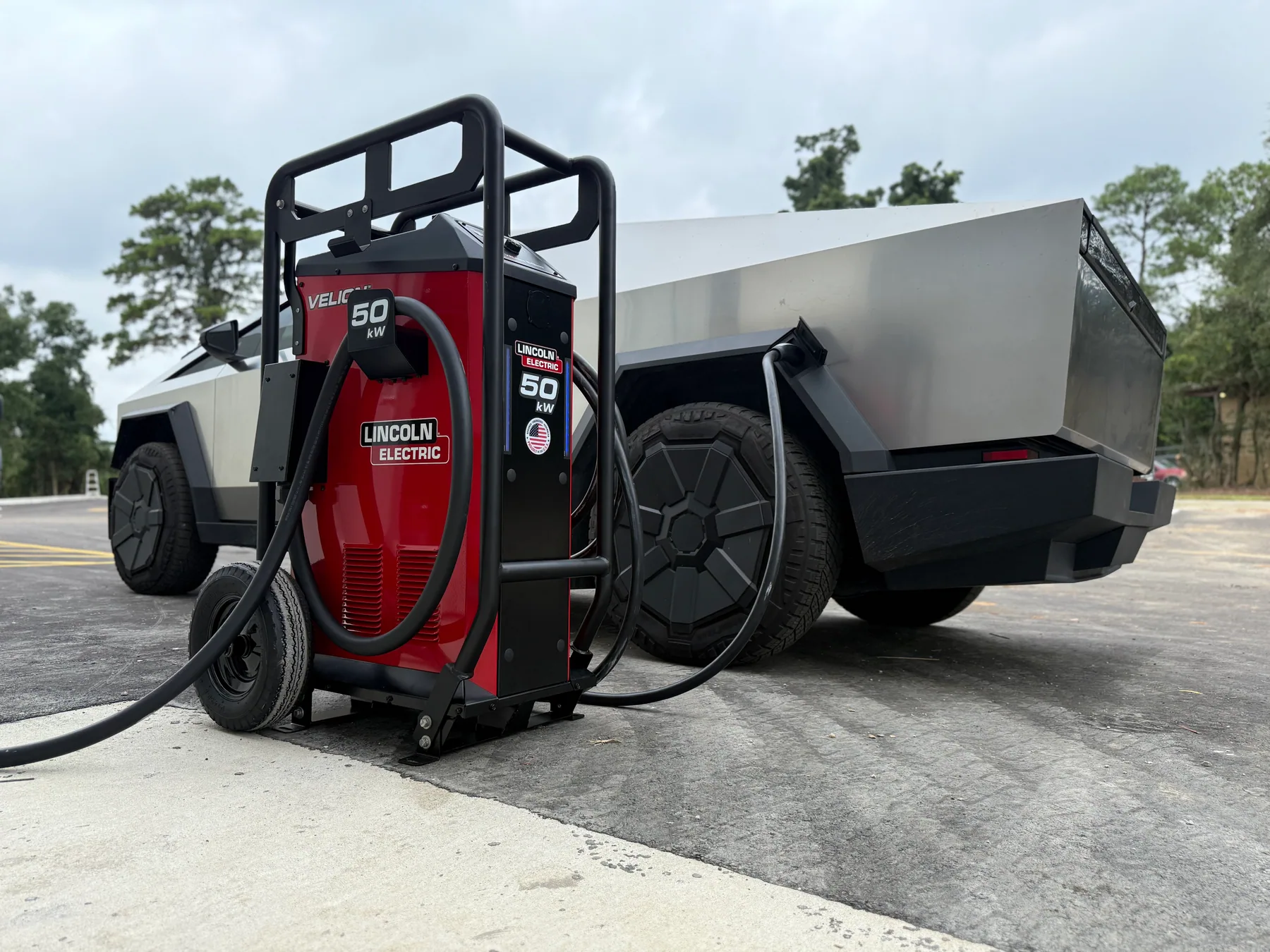
Charging treated as a power, parking, software, uptime, and operations decision before it becomes a charger purchase.
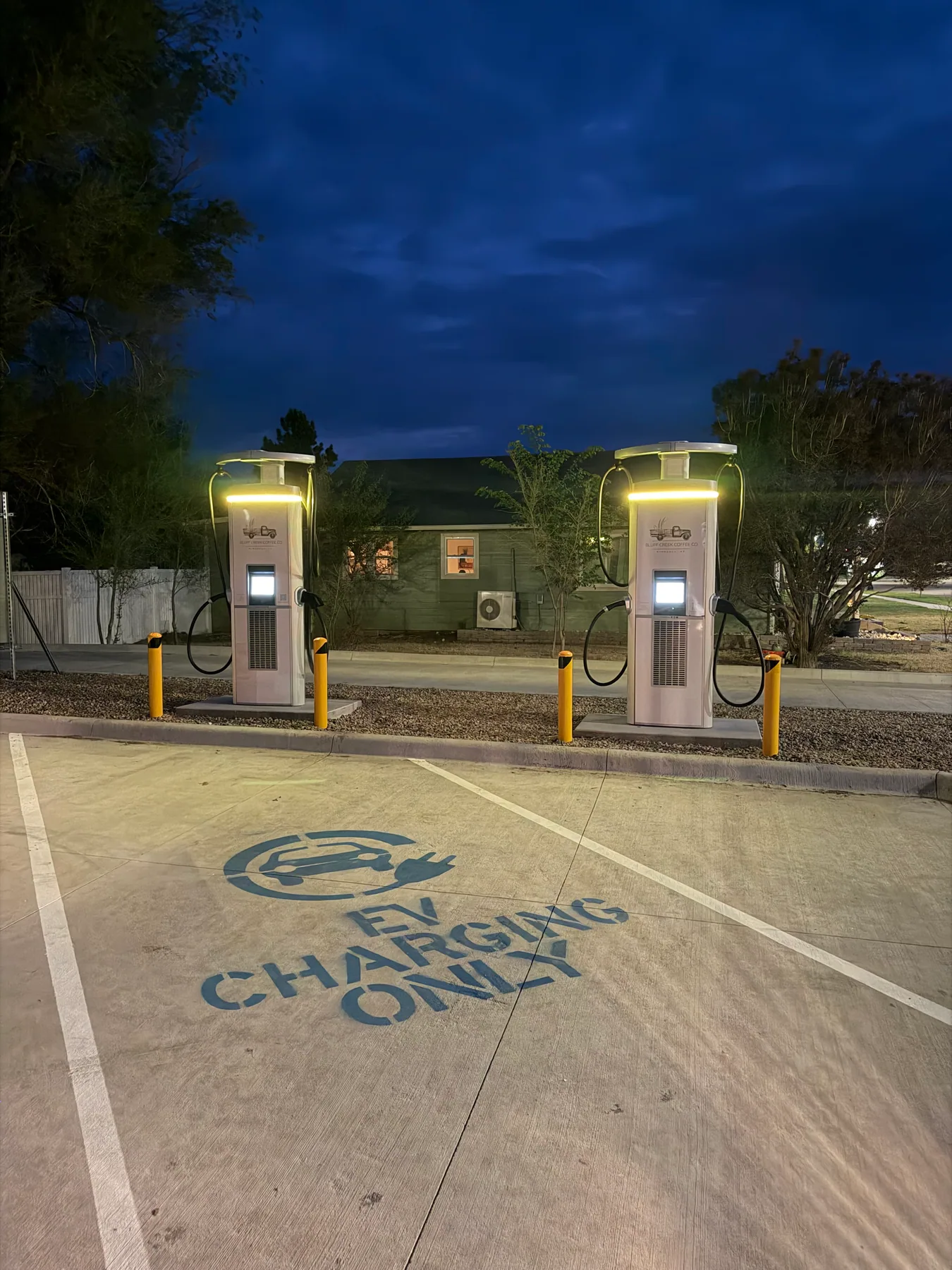
Repeatable site surveys, standard scopes, utility tracking, reporting, and closeout packages for multi-site work.
Why It Works
Projects & Markets
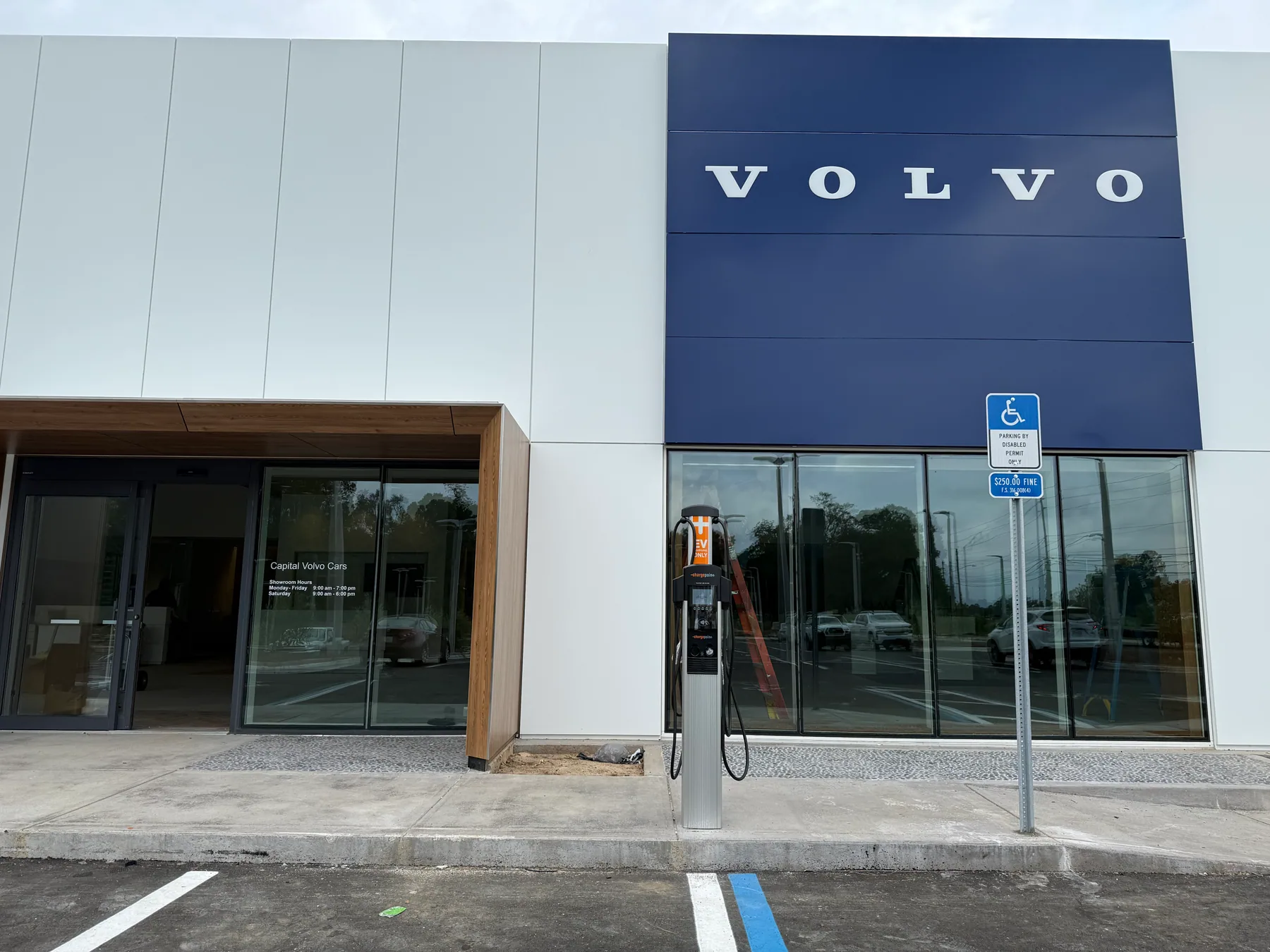
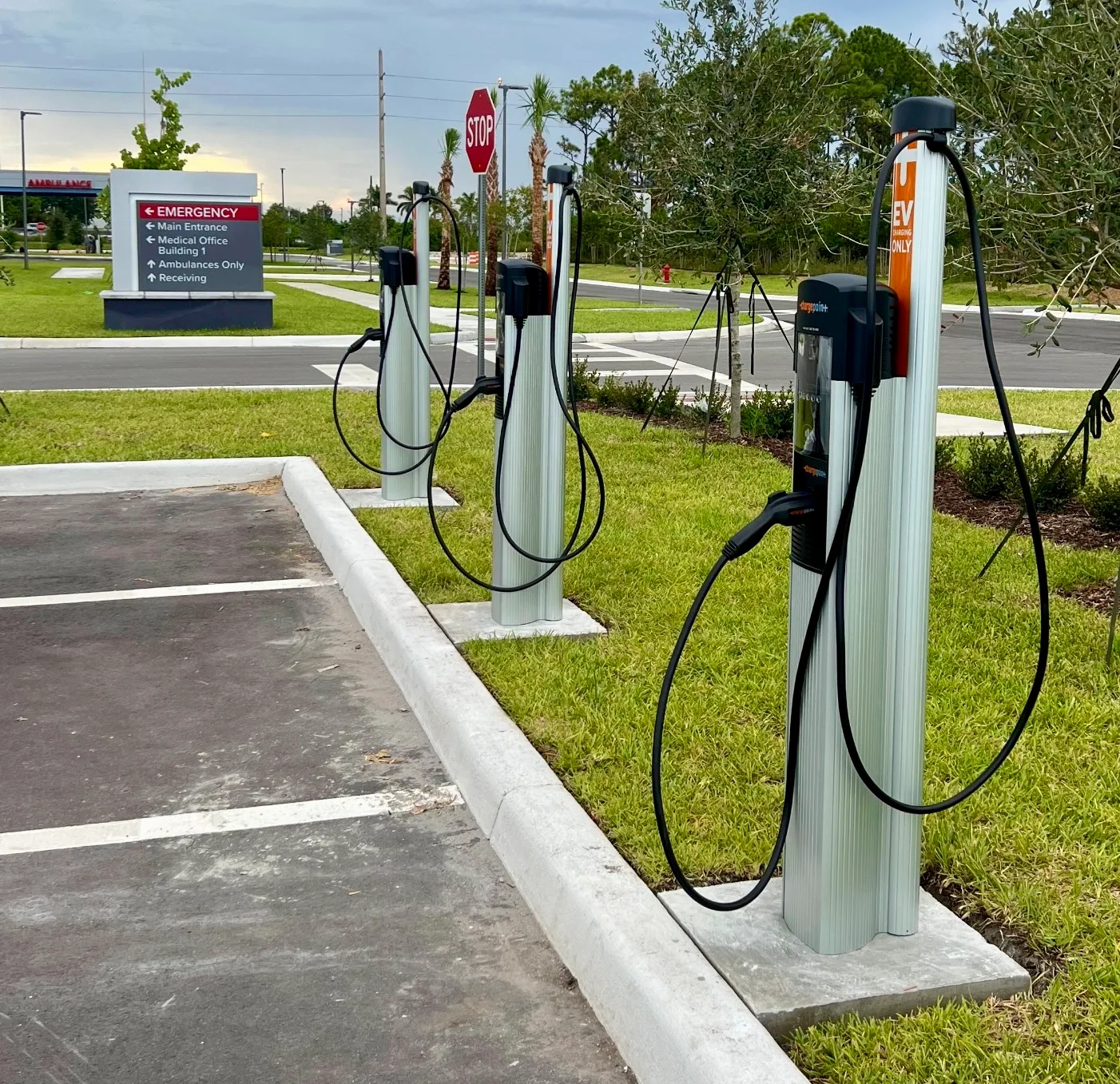
Service capacity, showroom infrastructure, bay power, lighting, and EV readiness coordinated around an operating store.
Dealership readinessElectrical systems for maintenance operations, charging windows, duty cycles, route reliability, and staged growth.
Fleet electrificationCharging and site power aligned with ADA access, public visibility, signage, billing, uptime, and property value.
Parking and retail programsTenant improvements, life safety, managed charging, access policy, lighting, controls, and future capacity.
Workplace and campusSafety & Quality
Safety is planned before the jobsite gets busy. Faith Energy uses pre-task planning, documented site controls, inspection readiness, and clear communication to protect people, schedules, and energized systems.
See safety approachCareers
Faith Energy needs electricians, foremen, project managers, estimators, and operators who want disciplined work, clear communication, and a practical path to growth.
Explore careersFAQ
Open one question at a time for a quick read while keeping the project-review path in view.
Faith Energy supports DC fast charging deployments, building load management, demand response, Battery Energy Storage Systems, electrical building infrastructure, EV charging installations, fleet electrification, service upgrades, lighting, life safety, tenant improvements, and design-build electrical scopes for owners, general contractors, developers, and enterprise clients.
Yes. Early involvement is often where the team can add the most value by reviewing site capacity, utility constraints, charger or equipment strategy, rough order budgets, phasing, and constructability before the project is locked in.
Faith Energy is built around design-build delivery. The team can coordinate engineering, planning, procurement guidance, field installation, commissioning, and closeout so owners have one accountable electrical partner.
The process starts with usage goals, vehicle or customer demand, site electrical capacity, utility requirements, charger selection, software needs, installation phasing, and operating costs. That keeps the infrastructure aligned with the business case, not just the equipment list.
Yes. Faith Energy supports commercial and enterprise programs that need repeatable standards, consistent communication, and coordinated execution across multiple locations.
A site address, target timeline, electrical drawings if available, utility account details, charger or equipment goals, photos of existing gear, and any known constraints are helpful. If some of that is missing, Faith Energy can still begin with a preliminary conversation.
Yes. The team can advise on charger hardware, electrical gear, software integration needs, serviceability, lead times, installation requirements, and how equipment choices affect budget and operations.
The model connects planning, utility coordination, equipment strategy, field execution, commissioning, and handoff. That reduces gaps between consultants, suppliers, installers, and the owner’s operational goals.
Contact
Share the site, scope, timeline, and any utility constraints. Faith Energy can help shape the path from initial review to energized delivery.